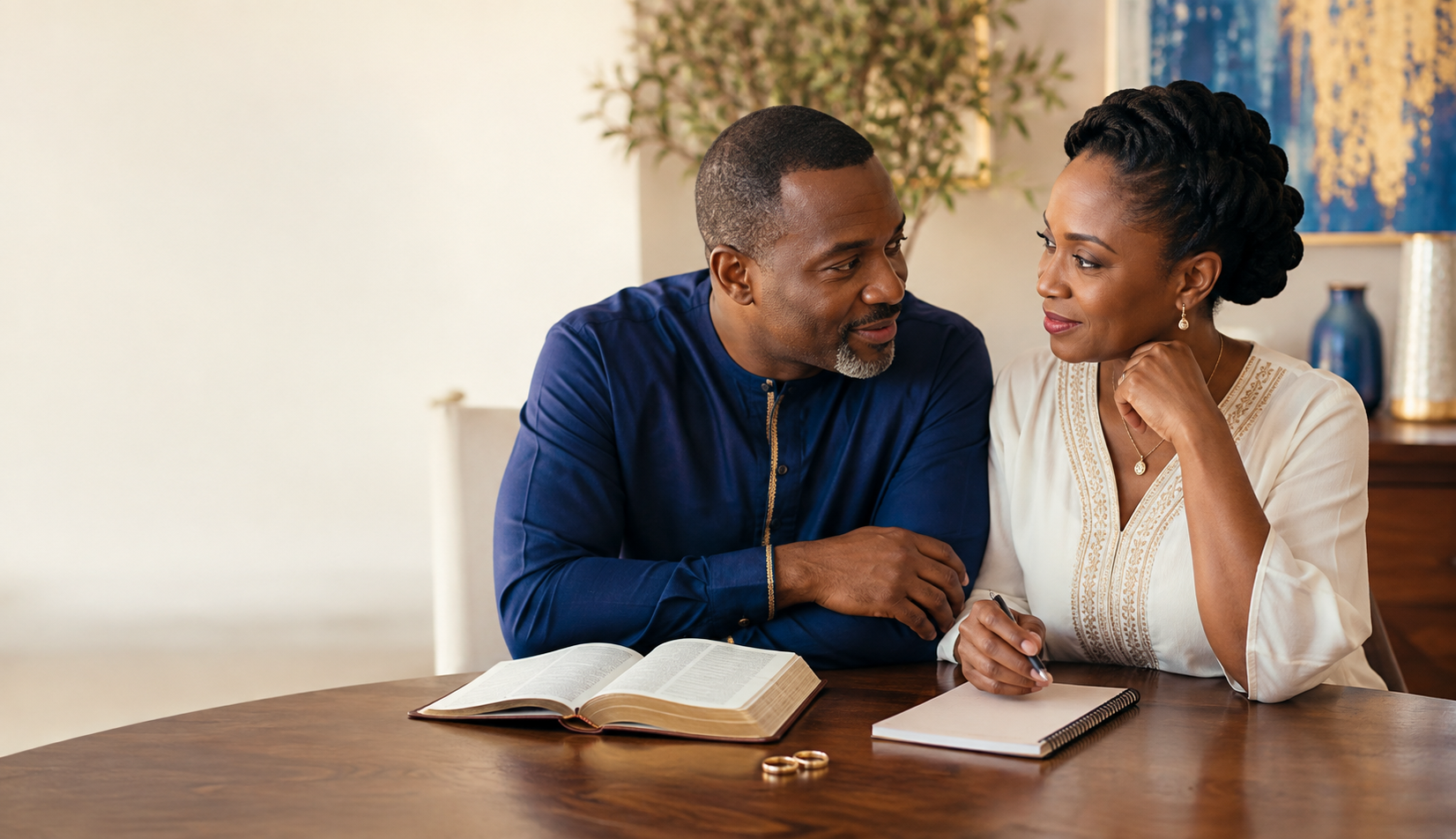
Preparing for Marriage Successfully
Essential principles for building a strong, healthy, and lasting marriage
Marriage is one of the most significant commitments a person can make. It has the potential to bring companionship, love, support, growth, joy, and fulfilment. At the same time, it requires responsibility, maturity, commitment, and intentional preparation.
Many couples invest considerable effort in planning their wedding ceremony but spend little time preparing for the realities of married life. A successful marriage is not built on romance alone. It is built on understanding, communication, shared values, commitment, spiritual maturity, and practical preparation.
What does preparing for marriage successfully mean?
It means intentionally developing the understanding, values, skills, spiritual unity, and practical plans that help two people enter marriage with realistic expectations and a strong foundation.
Why does marriage preparation matter?
Marriage preparation helps couples develop realistic expectations and essential relationship skills before challenges arise. The more prepared couples are before marriage, the stronger their foundation is likely to be.
Intentional preparation can help couples:
- Improve communication
- Clarify expectations
- Strengthen commitment
- Develop conflict-resolution skills
- Understand financial responsibilities
- Build trust
- Strengthen spiritual unity
Preparation does not guarantee a perfect marriage, but it can significantly improve a couple’s readiness to build a healthy and lasting relationship.
What essential principles help couples prepare for marriage?
1. Understand the purpose of marriage
Marriage is more than companionship. It is a lifelong covenant relationship designed to promote love, partnership, growth, support, family development, and spiritual maturity.
Couples who understand the purpose of marriage are more likely to approach the relationship with commitment, responsibility, and a willingness to serve one another.
2. Build a strong friendship
Healthy marriages are often built upon strong friendships. Before marriage, couples should intentionally develop trust, respect, honest communication, mutual understanding, and meaningful shared experiences.
Friendship creates a foundation that can sustain the relationship beyond changing emotions and circumstances.
3. Learn effective communication skills
Communication remains one of the most important factors in marital success. Couples should learn how to:
- Listen actively
- Express feelings respectfully
- Discuss difficult topics honestly
- Address concerns promptly
- Resolve misunderstandings constructively
Strong communication helps couples understand one another and prevents many avoidable problems.
4. Discuss expectations openly
Unspoken expectations often become sources of conflict. Couples should create a safe environment in which they can discuss the life they expect to build together.
Family roles
- Household responsibilities
- Parenting expectations
- Relationships with extended family
Financial expectations
- Spending habits
- Saving goals
- Debt management
- Financial priorities
Lifestyle expectations
- Career goals
- Living arrangements
- Personal and shared priorities
Open conversations help couples identify differences early and reduce future misunderstandings.
5. Develop healthy conflict-resolution skills
Disagreements are inevitable. The goal is not to avoid conflict entirely but to handle it wisely. Couples should learn to remain respectful, manage emotions, seek solutions, practise forgiveness, and work as a team.
For more guidance, read the Marriage Conflict Resolution Guide.
6. Strengthen financial understanding
Financial issues are among the most common sources of marital stress. Before marriage, couples should speak honestly about income, debt, saving habits, budgeting, financial goals, and investment priorities.
Financial transparency builds trust, strengthens accountability, and helps couples work toward a shared future.
7. Build trust before marriage
Trust is one of the most valuable assets in any relationship. It grows through honesty, integrity, consistency, reliability, and transparency.
Strong trust provides emotional security and stability. When trust has been strained, couples should address the underlying issues honestly rather than carrying unresolved pain into marriage.
8. Pursue spiritual unity
Shared spiritual values can strengthen a marriage significantly. Couples should discuss faith commitments, church involvement, prayer practices, spiritual goals, and biblical values.
Spiritual unity gives couples a shared moral foundation and a dependable source of wisdom throughout married life. Explore Building a Sacred Union for further biblical guidance.
9. Develop emotional maturity
Marriage requires emotional maturity. Healthy spouses learn to manage emotions responsibly, accept constructive feedback, practise patience, show empathy, and take responsibility for mistakes.
Maturity allows couples to respond thoughtfully instead of reacting destructively.
10. Participate in premarital counselling
Premarital counselling gives couples a structured opportunity to address important topics before marriage. It can help them clarify expectations, improve communication, strengthen commitment, discuss potential challenges, and build practical relationship skills.
Many strong marriages benefit from intentional premarital preparation with a suitably qualified counsellor, pastor, or relationship professional.
Key takeaways
- Marriage requires more than love and wedding preparation.
- Honest conversations before marriage reduce avoidable misunderstandings.
- Communication, trust, financial transparency, and spiritual unity strengthen the foundation.
- Premarital counselling helps couples identify strengths, risks, and areas for growth.
- A healthy marriage begins long before the wedding day.
What common mistakes should couples avoid?
Some couples enter marriage without adequately discussing finances, family expectations, children, conflict resolution, spiritual beliefs, or long-term goals. Others assume that love alone will solve every problem.
Love is essential, but healthy marriages require both love and preparation. Avoiding difficult conversations before the wedding does not remove the issues; it merely postpones them.
What does the Bible teach about marriage preparation?
Scripture emphasises wisdom, understanding, and intentional preparation.
“Through wisdom a house is built, and by understanding it is established.”
— Proverbs 24:3
A strong marriage is built intentionally through wisdom, understanding, faithfulness, and commitment. Preparation helps couples establish a sound foundation for their shared future.
How can couples begin preparing today?
Begin with honest conversation. Discuss your values, fears, expectations, finances, families, faith, and vision for the future. Identify the areas in which you already agree and the matters that require deeper understanding.
Build a strong foundation. Develop healthy habits. Communicate openly. Grow spiritually. Learn continuously. The time invested in preparing for marriage today can produce benefits for many years to come.
Remember this: Successful marriages are not created accidentally. They are built through preparation, commitment, communication, trust, spiritual growth, and continuous effort.
Frequently asked questions about marriage preparation
How long before marriage should premarital preparation begin?
Couples should begin as early as reasonably possible. Starting several months before the wedding provides time for honest discussion, counselling, reflection, and practical planning without unnecessary pressure.
Can premarital counselling help couples who already communicate well?
Yes. Premarital counselling is not only for couples experiencing problems. It can strengthen existing communication, reveal overlooked expectations, and equip couples with skills for future seasons of marriage.
Which topics should couples discuss before marriage?
Important topics include faith, communication, conflict, finances, children, family relationships, intimacy, roles, careers, living arrangements, boundaries, and long-term goals.
Does Christian marriage preparation focus only on spiritual matters?
No. Biblical preparation addresses spiritual commitment together with practical realities such as communication, finances, character, family responsibilities, intimacy, and conflict resolution.
Does preparation guarantee that a marriage will never face problems?
No. Every marriage faces challenges. Preparation equips couples to respond with greater wisdom, maturity, unity, and skill when difficulties arise.
Continue your marriage journey
Explore these practical and biblical resources for preparing for marriage, strengthening relationships, improving communication, and building lasting marital health:
Prepare for Marriage with Wisdom and Confidence
If you and your partner would value structured biblical and practical guidance, premarital counselling can help you clarify expectations, strengthen communication, and prepare intentionally for married life.
Enquire About Premarital Counselling