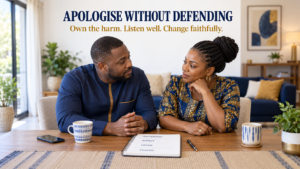
Conflict is inevitable in any marriage, but how couples handle it determines whether the relationship grows stronger or suffers long-term damage. Marriage conflict management is not about avoiding disagreements, it’s about learning techniques that actually work to resolve issues, build trust, and maintain healthy relationships. Left unchecked, conflict can erode intimacy, create emotional distance, and even threaten the stability of a marriage. With the right tools, however, couples can transform conflicts into opportunities for deeper connection and growth.
Understanding the Importance of Marriage Conflict Management
Conflict, when poorly managed, leads to recurring arguments, resentment, and misunderstandings. Many couples sweep issues under the rug, only for them to resurface later with greater intensity. Conflict resolution in marriage provides the foundation for communication, problem-solving, and reconciliation. Effective marriage support teaches couples to listen, validate each other’s feelings, and seek win-win solutions.
Techniques for Effective Marriage Conflict Management
1. Practice Active Listening
One of the most powerful techniques in marriage conflict management is learning to listen attentively. Active listening means focusing fully on your spouse without preparing your counter-argument while they speak.
- Reflect back feelings: Use phrases like, “I hear you saying…” to show understanding.
- Avoid interruptions: Allow your partner to finish before responding.
- Empathise genuinely: Place yourself in their shoes to understand their perspective.
This builds emotional safety and promotes healthy relationships where both partners feel valued.
2. Manage Emotions Before Responding
Identify Triggers
Every individual has emotional triggers that fuel conflict. By identifying yours, you can approach disagreements with greater awareness.
Take a Pause
When arguments escalate, step away briefly. This pause reduces the risk of saying hurtful things you’ll later regret.
Use Calm Communication
Instead of blaming, use “I” statements—such as, “I feel hurt when…”—to express your needs without attacking your partner. This shift fosters constructive conflict resolution in marriage.
3. Focus on Solutions, Not Winning
Find Common Ground
Conflict should not be about proving who’s right. Instead, seek solutions that address both partners’ concerns.
Compromise Wisely
Healthy relationships thrive when couples are willing to give and take. Compromise ensures that both spouses feel respected.
Establish Agreements
Turn agreements into action steps—such as scheduling family time or budgeting together—to reduce recurring conflicts.
Long-Term Strategies for Marriage Conflict Management
Strengthen Communication Skills
Marriage support often emphasises communication workshops, counselling, or reading resources that teach couples to articulate thoughts clearly and respectfully.
Seek Professional Marriage Support
Sometimes, conflict requires a neutral third party. Marriage counsellors help couples identify unhealthy patterns and introduce practical tools for lasting harmony.
Real-World Example: Conflict Resolution in Marriage
Consider John and Mary, who constantly argued about finances. Their fights often ended in silence and resentment. After practising active listening and pausing before responding, they discovered that John’s stress came from financial insecurity, while Mary wanted reassurance of shared goals. By focusing on solutions, they created a joint budget and set saving priorities—transforming conflict into collaboration.
Conclusion
Conflicts in marriage are unavoidable, but with effective marriage conflict management, they don’t have to weaken your bond. Instead, they can deepen trust, intimacy, and partnership. By practising active listening, managing emotions, focusing on solutions, and seeking professional marriage support when needed, couples can build healthy relationships that stand the test of time.
Ready to strengthen your marriage? Read more articles:
- Building a Sacred Union: Biblical Guidance for Marriage
- Building Commitment in Love
- Biblical Guidance for Strong Marriages
Explore books on marriage support:
- Building a Sacred Union: Biblical Keys to an Unbreakable Marriage
- Marriage Conflict Resolution
- Secrets of a Successful Marriage You’ve Been Missing
Get my FREE Guide on Success here: Unlock Success
References
Gottman, J. & Silver, N., 2015. The Seven Principles for Making Marriage Work. Harmony Books, New York.
Markman, H.J., Stanley, S.M. & Blumberg, S.L., 2010. Fighting for Your Marriage. Jossey-Bass, San Francisco.
Larson, J.H. & Holman, T.B., 1994. Premarital predictors of marital quality and stability. Family Relations, 43(2), pp.228–237.
Fincham, F.D. & Beach, S.R.H., 2010. Marriage in the new millennium: A decade in review. Journal of Marriage and Family, 72(3), pp.630–649.
Legacy Statement
“I live to empower individuals to achieve their life goals, cultivate an intimate relationship with God, and contribute meaningfully to a harmonious, purpose-driven community. I am committed to equipping others with spiritual wisdom, financial literacy, and leadership insight that produces generational transformation and a lasting legacy of faith, excellence, and impact.”